Blueprints
Working apps you can copy.
Each blueprint is a real app running on the device, with no cloud AI behind it.
Watch it work, then see how it was built.
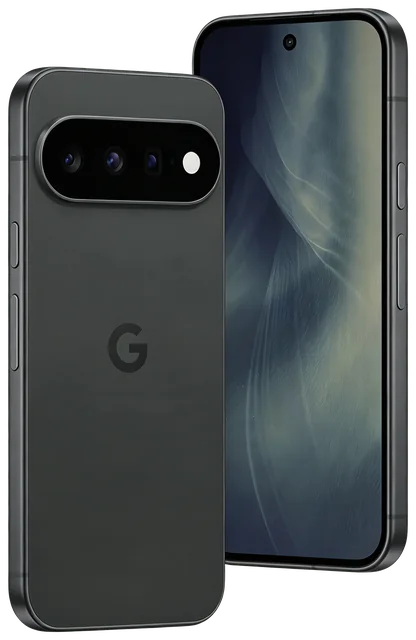
Phone
Pixel shown for illustration.
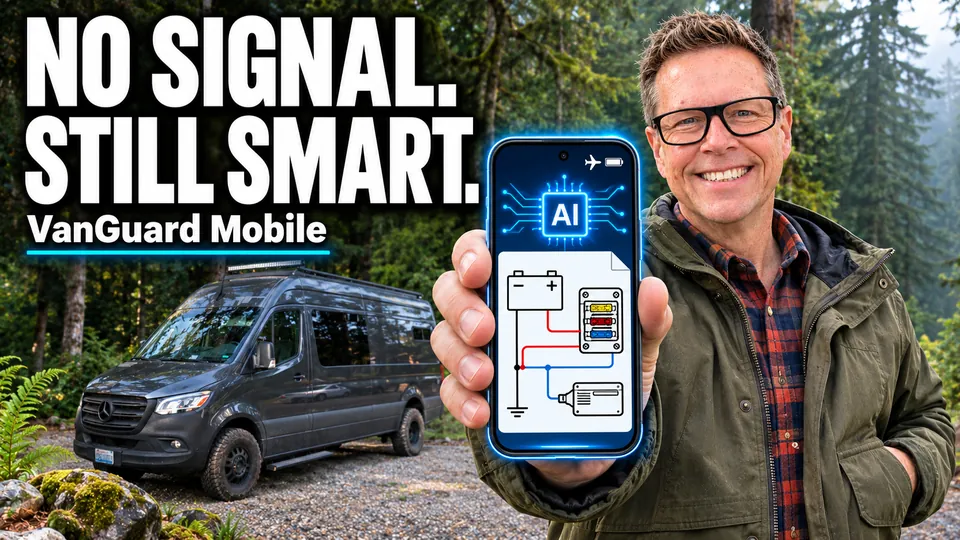
VanGuard Mobile
- What it does
- Finds the right page in the van's manuals when something breaks. Ask a question, get the wiring diagram, without digging through PDFs.
- Why on-device
- The model, the manuals, and the search all run on the phone, so it works parked in the middle of nowhere.
- The stack
- Google's EmbeddingGemma 2, a model of about 400M parameters, on the phone's NPU, with the documents indexed on the device. Shown on a Google Pixel.
View the code on GitHub
Copilot+ PC
Installed base · Models to ~13B
VanGuard
- What it does
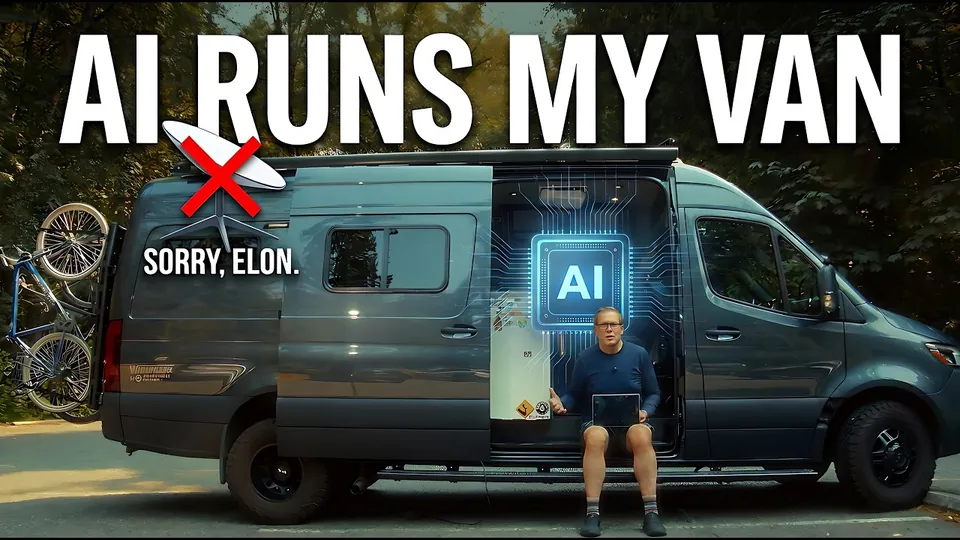
- An offline assistant that manages a camper van's battery. When power runs low, it shuts off the non-essentials and keeps the fridge and freezer running.
- Why on-device
- It runs entirely on the PC, so it keeps working miles from cell service.
- The stack
- Open-weight Qwen model on the NPU. Shown on a Microsoft Surface Pro.
View the code on GitHub
RTX Spark desktop
Models to 200B · 128 GB unified memory
RideEdge
- What it does
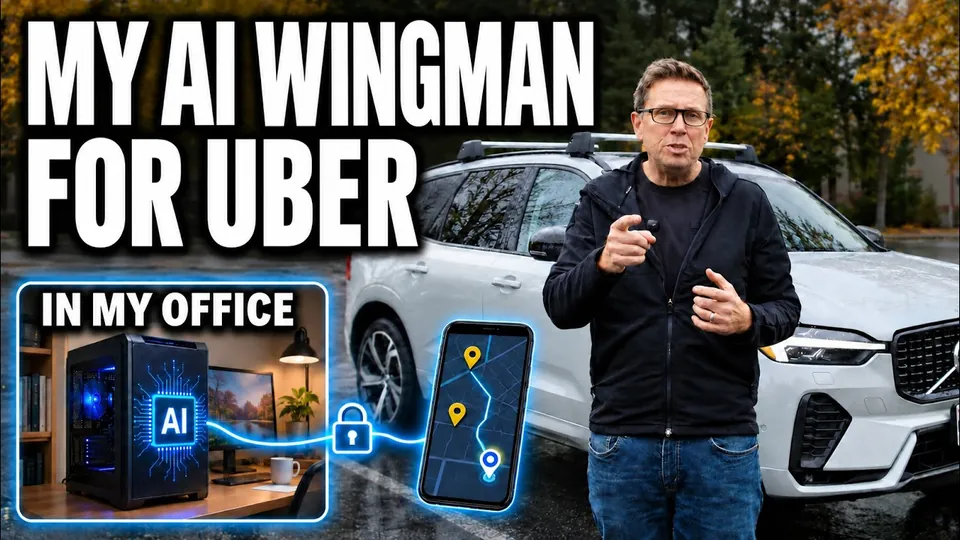
- Works all day on one question for a rideshare driver: where to go to find the next rider. The answer is waiting on the phone and in the car.
- Why on-device
- With no per-question cost, the AI never has to stop thinking, and the work stays on hardware you own.
- The stack
- Open-weight Qwen model running non-stop on a local workstation, reached from the phone and car over a private, secured link. Built for RTX Spark desktop class.
View the code on GitHub
RideEdge is a personal project and is not affiliated with or endorsed by Uber.